All Categories
Featured

Why Competitive Market Analysis Is Essential in 2026
Table of Contents
When you're constructing a business, it's simple to compare yourself to currently established business. Before Canva became a worldwide style platform, Melanie Perkins was teaching trainees how to utilize graphic design software application.
Perkins spent years pitching investors and was rejected lots of times before protecting financing. She launched Canva in 2013, focusing on simpleness and ease of use. Today, it's one of the most widely used graphic design tools. Brian Chesky and his co-founders started Airbnb by leasing out air mattresses in their house to assist pay rent.
Airbnb eventually grew into a worldwide market connecting tourists with hosts in millions of cities. He taught himself computer system programming and later worked at Yahoo.
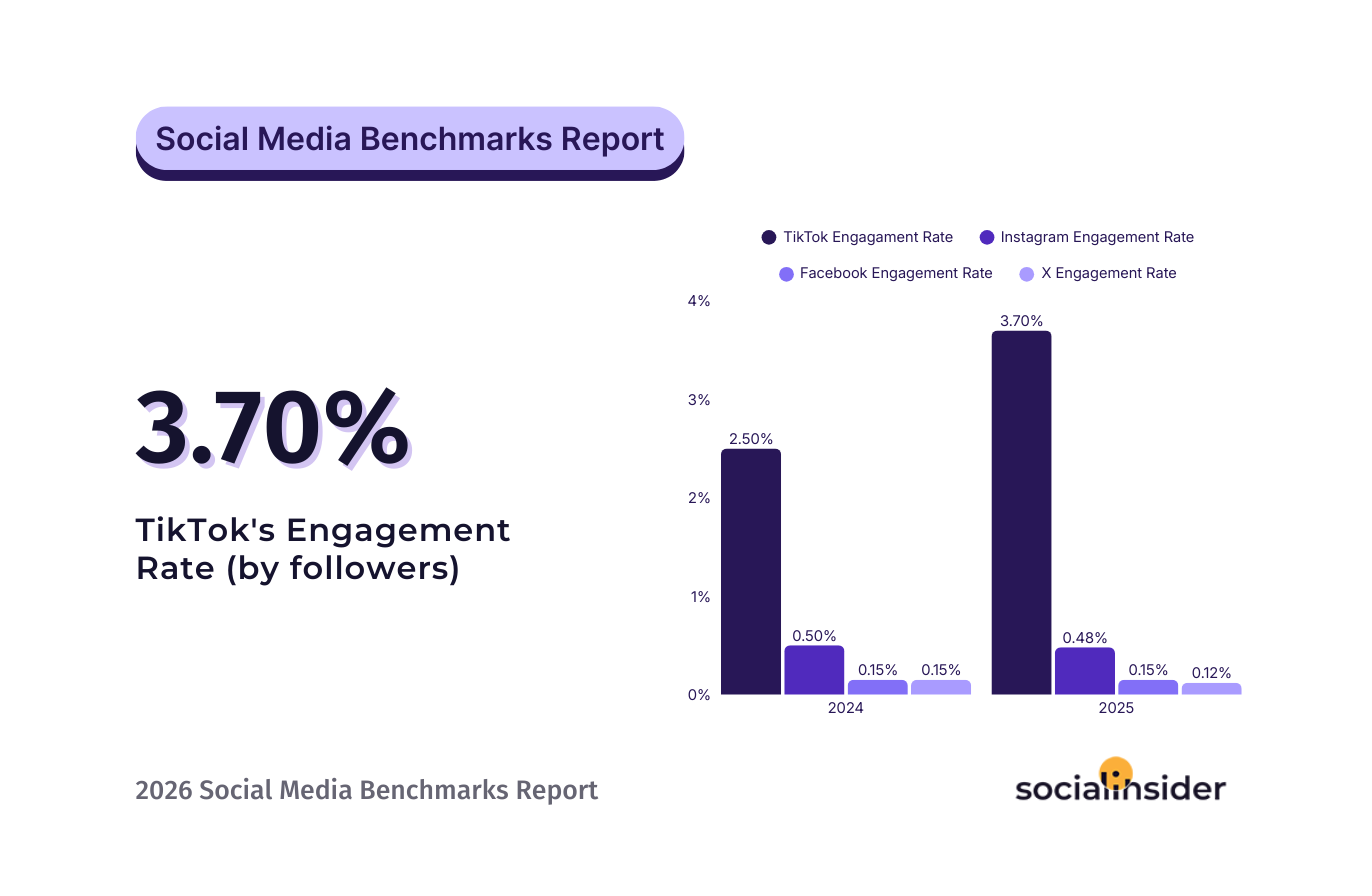
[target2:anchor_exact1]Evaluating Campaign Benchmarks Within US Industries
The app grew rapidly through word of mouth, and in 2014, Facebook got WhatsApp for $19 billion. Brian Chesky and his co-founders started Airbnb by renting blow-up mattress in their apartment or condo to help pay rent. Hamdi Ulukaya started Chobani after buying a closed yogurt factory in New york city using a U.S.
Instead of developing a new item classification, he concentrated on improving quality and using basic active ingredients. Chobani grew progressively and helped popularize Greek yogurt in the U.S. Ulukaya likewise developed the company around employee ownership and neighborhood financial investment, revealing that development and social obligation can co-exist. Sara Blakely was selling facsimile machine door to door when she used $5,000 of her cost savings to establish Spanx.
Competitive Market Research Findings for US Entrepreneurs
Blakely handled whatever from item style to sales calls herself in the early days. She never ever took outside funding and owned 100% of the company till she offered a controlling stake in 2021. While their industries and backstories vary, these founders share a number of traits that helped them prosper. Each one started by concentrating on solving a particular problem, not necessarily on building a massive business.
Branding and consumer connection played a major role, particularly for those who grew through word of mouth or social media rather than paid marketing. These success stories reveal that big quantities of start-up capital aren't constantly essential.
A top-selling item is moved by presence, whether that's through partnerships or strong individual branding. And early problems didn't avoid these business owners from long-term success in numerous cases, those struggles led to better choices down the road.
[target2:anchor_exact1]How Advanced Data Reshapes Business ROI
Hopeful entrepreneur can take a similar approach by identifying one specific client requirement and creating a standard version of that services or product to evaluate demand. You can also begin with what you already have, whether that's utilizing your present skills, offering through existing platforms, or relying on your personal savings rather of trying to find outside financing.
And rather than hurrying to scale, developing slowly can help reinforce your operations and customer relationships. Brought to you by It's Walmart, built for your organization Streamline your daily operations with multiuser accounts, cost management tools & automated replenishment * of the materials you utilize every day.
Terms use. Professional company guidance, news, and trends, delivered weekly to your inbox. Published February 20, 2026.
Thomas Machining shows how ...
Starting a small business is not for the faint of heart. These little organization success stories will lift your spirits and inspire you to keep working through the challenges with the hope that your service will flourish.

Latest Posts

Will Leaner Operations Scale Your Digital Agency?

Maintaining Workflow Efficiency for Modern Agencies

Improving Operational Efficiency for Boost Margins